DesignQube is a process driven team of architects & interior designers based in Chennai. We deal each project with small interdisciplinary teams, involving the client as a design partner.



Some of Our repeat clients we're proud of










We provide Comprehensive services under one roof
CONSULTANCY
Architecture DesignFeasibility Studies, Site Analysis, Space Planning, Massing, Building Approval Liasoning, Soil Testing, Structural Design, HVAC design, MEP Design, Natural Lighting and Ventilation Design, Solar Passive Design, Engineering and Working Drawings.
CONSULTANCY
Interior DesignSite Measurement, Space Planning, Furniture Layout, Mood board Presentation, Conceptual Sketches, 3D Visualization, Panoramic Interior Views, Working Drawings, Bill of Quantity, Material Specifications, Services Design, Quality Checks, Snag List, Shopping Visits.
CONSULTANCY
Landscape ArchitectureSite Analysis, Shadow study, Site Planning, Softscape Design, Hardscape Design, Drainage Design, Material Palette, Play Area Design, Water Body Design, Plant specifications, Irrigation Scheme, Outdoor Lighting Design, Aerial Views.
MANAGEMENT
Project ManagementMaster Schedule, Project Budget, Progress Meetings, Site Program Plan, Consultant Management, Contract Administration, Cash Flow Projections, Tender Management, Bid Reviews, Cost Optimization, Time Management, Value Engineering, Progress Reports, Quality Control, Handover Documentation, Vendor Payment Approvals.
CONTRACTING
Turnkey ContractingBill of Quantity, Composite Quotations, Material Specifications, Finishes Schedule, Execution Schedule, Shop Drawings, Site Measurements, Factory Cut Fit Outs, Storage Management, Weekly Progress Reports, Change Request Administration, Snag Rectifications, Warranty Certification, Quality Control, Handing Over Agreement.
EXECUTION
Civil ConstructionSite Mobilization, Storage and Utilities Management, Material Procurement, Schedule Optimization, Site Progress Report, Change Request Management, Strength Test Reports, Labor Management, Health and Safety Standards, Quality Assurance and Quality Control, Sub-Contractor Management, Post Occupancy Support.
We haveOur Design Studiosacross the country


What you get When you hire us as designers
COST CONSULTANCY
Budgets UpfrontGet a clear idea of your total project budget and timelines upfront. No false promises now and surprises later.
SEE WHAT YOU’LL GET
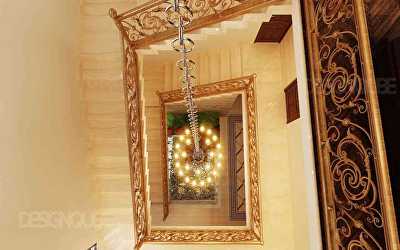
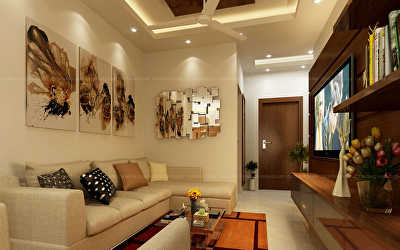
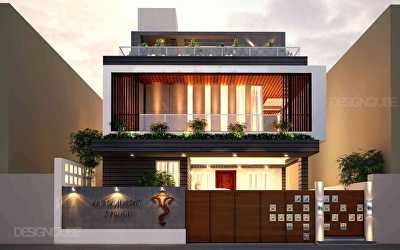
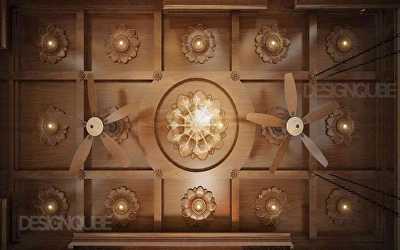
360 VisualizationVisualize your project in Photo-Realistic 3D all around with technical clarity.
COST CONTROL
Accurate BOQGet an accurate bill of quantities for your project and get quoted from multiple contractors.
BIG SAVINGS
Vendor DiscountsAvail all vendor discounts directly to you, which most architects don’t transfer. There’s some big savings here.
QUALITY CONTROL
Photographic ProgressGet notified visually on daily site progress. We keep an eye on the contractor’s material quality and timelines.
CLARITY ON GOVT. PROCESSES
Liasoning and ApprovalsMost clients get stuck with wrong guidance related to Loans, Approvals, FSI, Deviations and Penalties. We give the real picture and also assist.
All ourClients love usand vouch for us!
Some of Our unique features you will love

Single Contact In-House Expertise
Cross innovation & responsibility is lost when parts of work is outsourced. We’ve an in-house team of expertise with 3D visualisers, quantity surveyors, lighting designers and project managers

Quality Check At Site
Our site engineers ensure the contractor follows execution standards and adheres to design. We share the site meeting reports to our clients on a regular basis to keep them informed on the developments.

Principles & Ethics Above All
We’re free of all industry-standard shady practices. We believe in being transparent to the client and do not work on a commission basis with vendors and contractors.

We’re Heart-Fully Flexible
We’re a humane company. We hate rigid terms, conditions and red-tapes. We do everything within and beyond our scope to support our clients.

Progressive Design Revisions
No take-it-or-leave-it-attitude and I-know-it-best talks. We respect opinions, revisions and love to iterate till perfection without compromises.

Quickest Turnaround
We hate delays. While creativity cannot be rushed, we keep up ahead of time through quick turnarounds. We understand time is a truly non-renewable resource.